



By: Kassim Kajosolo
A war unfolding thousands of kilometres away in the Middle East is steadily reshaping everyday life across Africa. The ongoing conflict involving the United States and Israel against Iran has triggered a chain of economic shocks, with far-reaching consequences that are now being felt from major African cities to small rural communities.
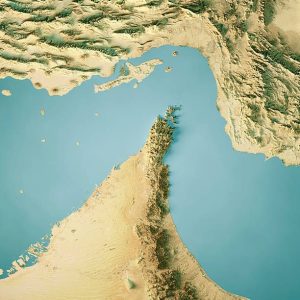
At the centre of this disruption is the Strait of Hormuz, a narrow but vital waterway through which a significant portion of the world’s oil supply passes.
Strait of Hormuz: A global lifeline under threat
The Strait of Hormuz connects the Persian Gulf to the Arabian Sea and is widely regarded as the most important oil transit route in the world. Roughly one-fifth of global oil consumption moves through this passage daily.
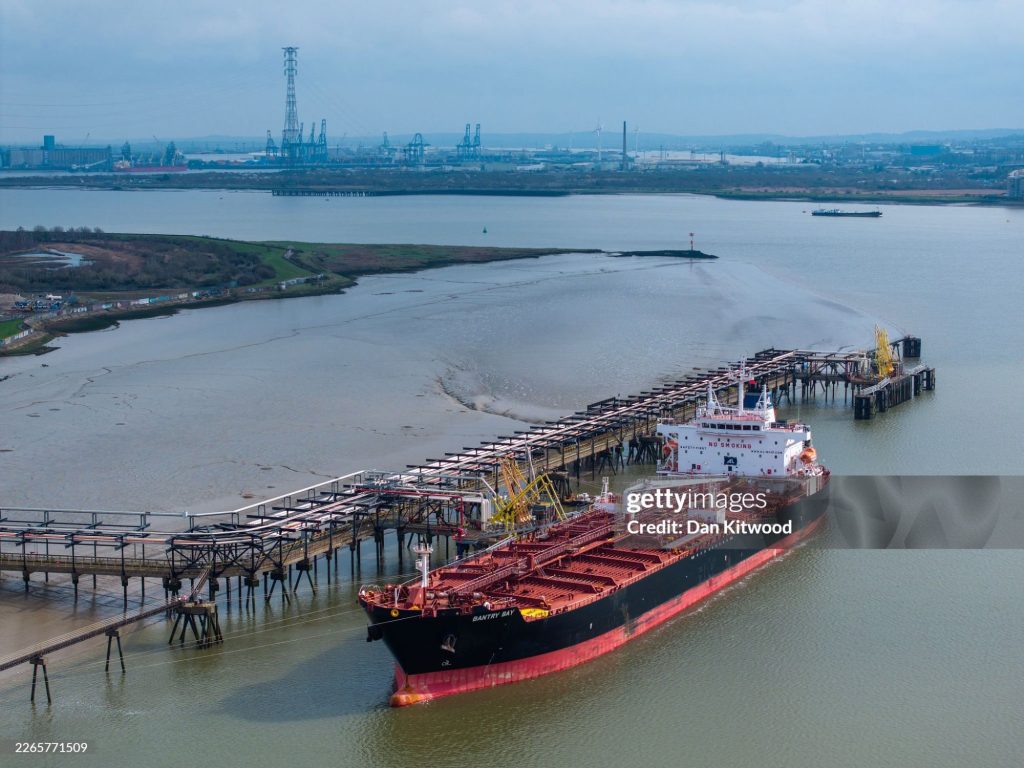
Following intensified military strikes, Iran has responded by restricting movement in the strait, causing a sharp decline in oil shipments. Tankers have either been delayed or rerouted, while others remain stranded due to security risks.
The result has been immediate:
– Global oil prices have surged
– Supply chains have been disrupted
– Energy markets have become highly volatile
This closure, or even partial disruption, has sent shockwaves across the global economy.
Africa: The silent casualty
Although Africa is not directly involved in the conflict, it is among the most affected regions due to its dependence on imported fuel.
Rising fuel prices are already translating into increased transport costs, pushing up the price of goods and services. In many African countries, this is accelerating inflation and deepening the cost-of-living crisis.
“This is the kind of external shock that African economies struggle to absorb,” says a regional economic analyst. “We are seeing pressure on currencies, rising debt risks, and shrinking fiscal space.”
The crisis is also affecting food security. Disruptions in global supply chains are driving up the cost of fertilizers and agricultural inputs, threatening crop production across the continent.
For countries already grappling with climate change and economic instability, the situation is particularly concerning.
Malawi: A nation on the edge of impact
In Malawi, the effects are more immediate and deeply felt. As a landlocked country that relies entirely on fuel imports, any global supply disruption quickly translates into domestic challenges.
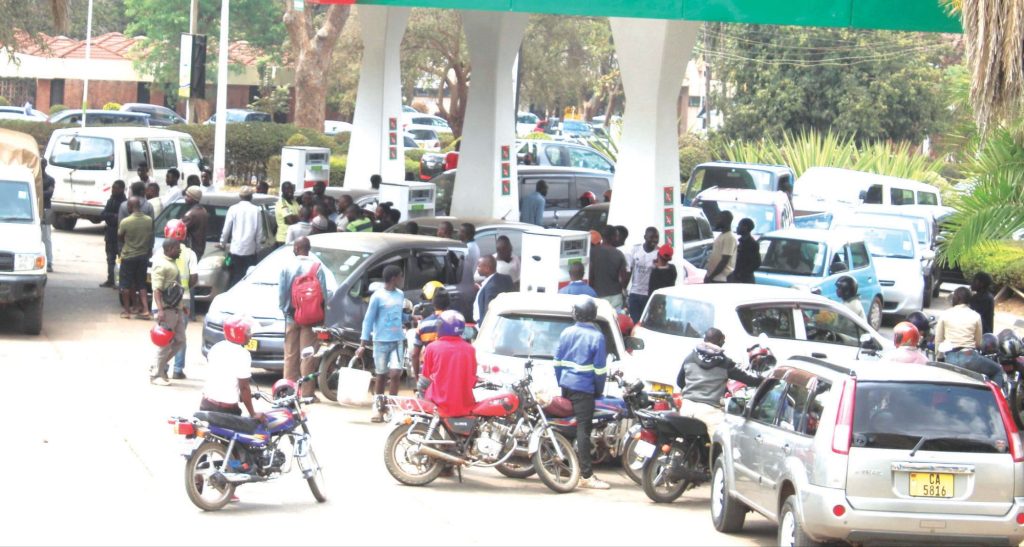
Fuel scarcity is emerging as a major concern, with rising prices expected to impact transportation, businesses, and households alike.
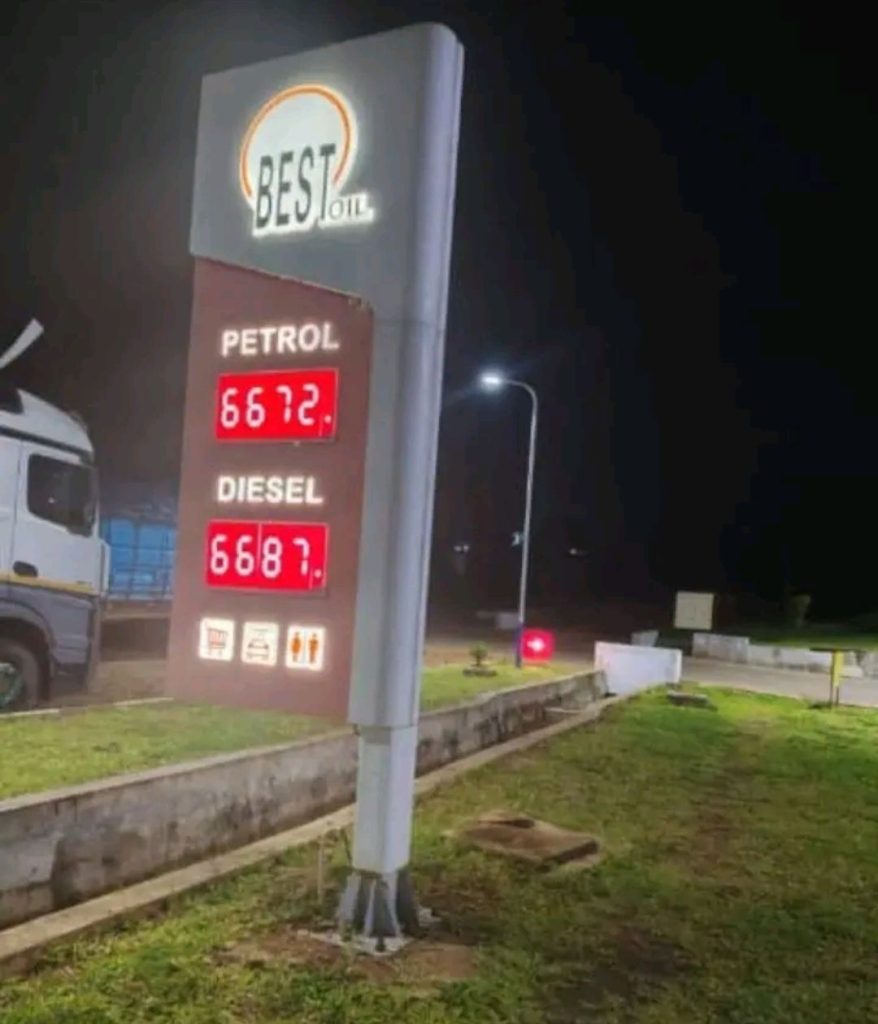
Commuters in Lilongwe and other urban centres are already bracing for higher transport fares as fuel prices have rise with atleast 37 percent while traders warn of increasing costs of basic commodities.
“This will affect everything, from how we travel to how we eat,” says Ibrahim Kabango, a minibus operator in Lilongwe. “When fuel goes up, everything goes up.”
Agriculture under pressure
Agriculture, the backbone of Malawi’s economy, is also at risk. Farmers depend heavily on fertilizers, most of which are imported. As global prices rise due to supply disruptions, many may struggle to afford essential inputs.
This could lead to reduced yields, threatening both household incomes and national food security.
An agricultural extension worker in the Central Region, Masiya Kaunda notes:
“If farmers cannot access affordable fertilizer, we are likely to see lower production next season. That has serious implications for the country.”
Foreign exchange strain
Malawi’s ongoing foreign exchange challenges are expected to worsen as the cost of imports rises. Higher fuel prices mean the country will need more foreign currency to sustain supply, putting additional pressure on already limited reserves.
Economic experts warn that this could lead to:
– Further depreciation of the local currency
– Increased inflation
– Greater reliance on external borrowing
A distant war, a local reality
The Israel–USA war on Iran highlights the interconnected nature of today’s world. What begins as a geopolitical conflict quickly transforms into an economic crisis for countries far removed from the battlefield.
For Africa, and Malawi in particular, the disruption of the Strait of Hormuz is more than a headline. It is a daily reality shaping the cost of living, food security, and economic stability.
As the conflict continues, the question remains: how long can vulnerable economies withstand the pressure of a war they did not start?
For Malawi, the answer may lie not just in global developments, but in how quickly it can adapt to an increasingly uncertain world.