



By Kassim Kajosolo
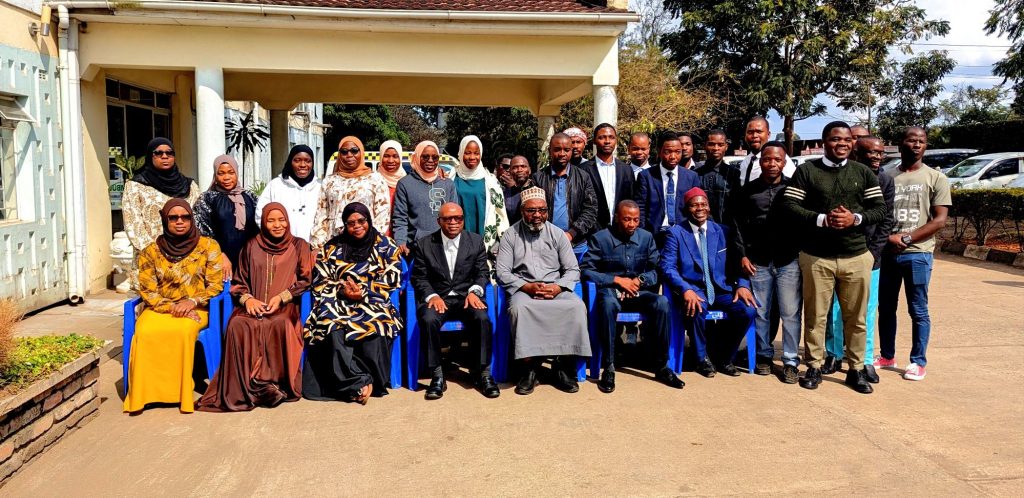
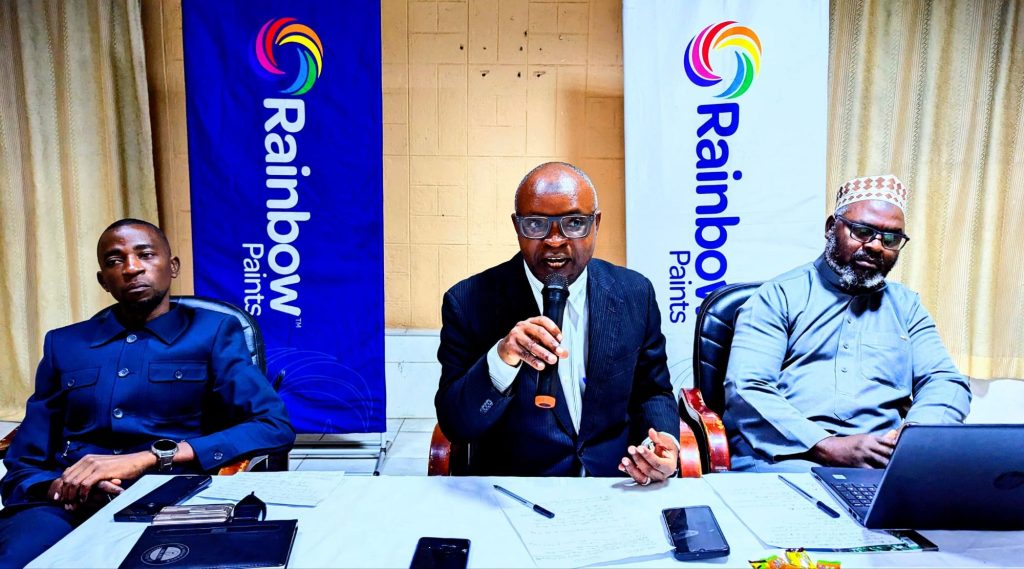
Artificial Intelligence (AI) is rapidly transforming the way journalism is practised across the world, offering unprecedented opportunities for faster research, improved productivity and smarter content creation. Yet, as the technology becomes more integrated into newsrooms, media experts and religious leaders say its success will ultimately depend on how responsibly people choose to use it.
This was the central message during the Annual General Meeting of the Association of Muslim Journalists (AMUJO) held in Blantyre, where journalists from across Malawi gathered to discuss the role of AI in shaping the future of journalism and society.
Delivering the keynote address, , a lecturer in the Department of Languages and Communication at , said AI presents a remarkable opportunity for journalists to improve their work without abandoning the ethical foundations of the profession.
“Artificial Intelligence is not here to replace journalists. It is here to support them. It can make research faster, organise information more efficiently and help newsrooms become more productive, but the responsibility for truth and accuracy will always rest with human beings,“ Rasheed said.
He observed that AI is already changing how journalists gather information, analyse data, transcribe interviews and produce content. While these innovations can significantly reduce workloads, he cautioned that technology alone cannot determine what is fair, balanced or newsworthy.
“No machine can replace editorial judgement, ethical reasoning or the human ability to understand context. Journalism is ultimately about people, and that human element must never be surrendered to technology,” he said.
Rasheed urged media organisations to establish clear editorial policies governing the use of AI in newsrooms, saying transparency and accountability would be essential in maintaining public confidence.
He also stressed the importance of continuous training, noting that journalists need practical knowledge of both the capabilities and limitations of AI.
“Investing in AI literacy is investing in the future of journalism. Journalists who understand these tools will be better equipped to serve the public while avoiding misinformation, bias and ethical pitfalls,” he added.
The conference examined how AI is increasingly becoming part of everyday newsroom operations. From generating story ideas and translating content to analysing large volumes of data, AI is offering journalists new ways of working more efficiently. However, speakers warned that the speed and convenience offered by AI should never encourage shortcuts that compromise credibility.
Adding a religious perspective to the discussion, renowned Islamic scholar urged Muslims to exercise caution when using AI, particularly on matters concerning Islam.
Chienda acknowledged that AI is a reality that cannot be ignored, but warned that technology should never replace authentic Islamic scholarship.
“Artificial Intelligence can be useful, but when it comes to Islam, it should never replace authentic knowledge from qualified scholars. AI can generate misleading information and distort human narratives if it is used without caution,” he said.
He explained that while Islam encourages the pursuit of knowledge and beneficial innovation, every technological advancement must remain within the framework of Islamic ethics.
“As Muslims, we are guided by justice, honesty, fairness and the protection of human dignity. Users have a great responsibility and will be accountable before Allah for how they use this technology,” Chienda said.
The scholar warned that deception, misinformation and the erosion of human dignity remain among the greatest dangers posed by the misuse of AI. He further cautioned against relying on AI to issue fatwas (Islamic legal rulings), saying religious verdicts require scholarly understanding, context and accountability that technology cannot provide.
“Verify AI-generated Islamic information with qualified scholars before relying on it or sharing it. AI can assist learning, but it must never become the authority on matters of faith,” he advised.
Despite the risks, Chienda acknowledged that AI has many positive applications when used responsibly. He pointed to Saudi Arabia, where AI is increasingly being used to manage crowds during Hajj and Umrah, strengthen security systems and improve public safety.
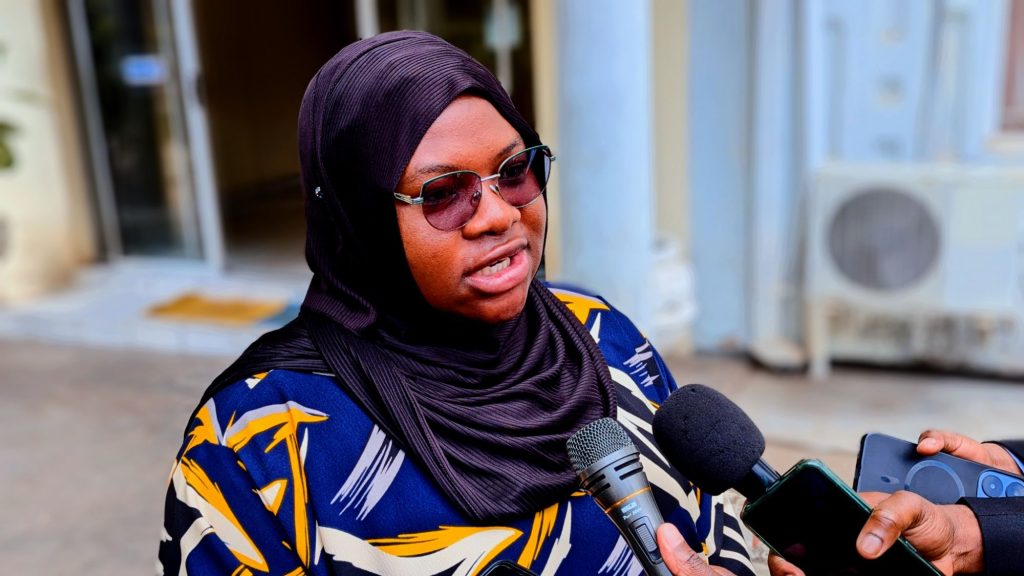
Speaking on behalf of AMUJO President , the association’s Secretary General said the conference had equipped participants with practical knowledge that would help them integrate AI into their daily work while preserving the principles that define professional journalism.
“We want journalists to embrace innovation, but innovation must never come at the expense of professionalism, fairness and accuracy. AI should strengthen journalism, not weaken the public’s trust in it,” she said.
She encouraged participants to return to their respective newsrooms committed to responsible reporting, emphasising that every story published should undergo careful verification regardless of the technology used in its production.
“Instead of breaking news, you can also break people’s hearts. That is why every fact must be verified before publication. Being first means very little if what you publish is not true,” she said.
The discussions at the AMUJO conference reflected a growing consensus that AI is neither inherently good nor bad. Its impact will depend on the values of those who develop it, those who use it and those who regulate it.
For journalists, AI offers unprecedented opportunities to improve efficiency and storytelling. For Muslims, it provides useful tools that must remain subject to authentic religious guidance. Across both perspectives, one principle stood above all others: technology may continue to evolve, but truth, ethics, accountability and human judgement must always remain at the centre of decision-making.